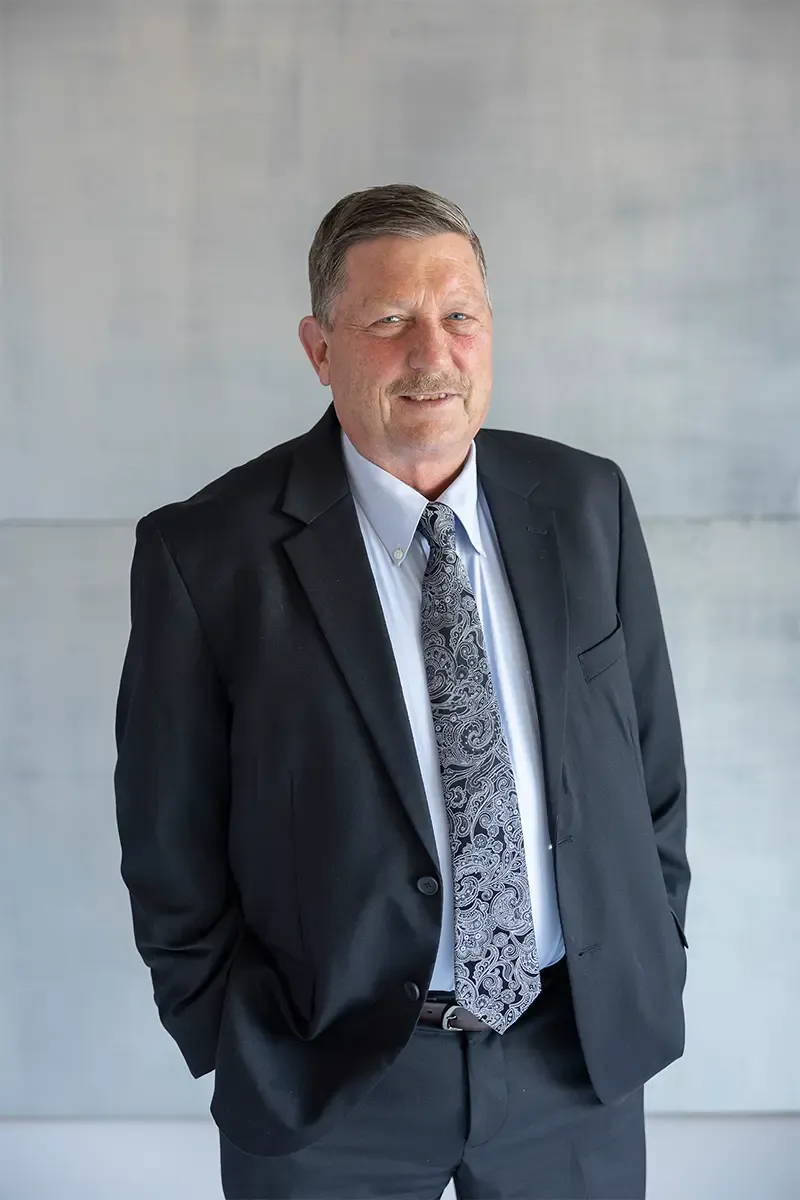
Corporate fraud has been compared to an iceberg, with significant violations going undetected beneath the surface. Finding these accounting discrepancies, whether due to mistakes or deception, is what drives Dr. Randy Elder, an expert in auditing at the Bryan School of Business and Economics.
His research – along with that of his colleagues at the Bryan School – has helped to shape professional practice standards in auditing, which ultimately protects investors and the public.
“The flagship area of my research has been practical approaches to making audits more effective,” says Elder, head of the Bryan School’s Department of Accounting and Finance.
Elder has chaired two groups summarizing research that could be used by the Public Company Accounting Oversight Board when developing new standards for audits of public companies and broker-dealers. The organization cited Elder’s research when issuing new standards for audit confirmations, a practice of requesting information from banks or customers to verify the accuracy of the audited company’s financial data. The board also cited research from Elder’s colleague Dr. Ayalew Lulseged, professor of accounting and finance, when requiring firms to disclose all audit participants.
As a former auditor himself, Elder has seen incidents of fraud a handful of times in his career, including one case where he had to review evidence at an FBI office. He brings that experience into his classroom, piquing students’ interest in such topics as false checks, skimming of cash receipts, and the issuance of false invoices. In one real-life exercise, students use actual data and evidence to uncover who is stealing cash from a small drugstore chain. This example came from his work for the last nine years as an editor of the journal Issues in Accounting Education.
“I would like to think that my students have a greater appreciation for some of the issues that they could see as a new staff auditor,” Elder says. “Maybe they’ll recognize a problem because they’ve been exposed to it in my class.”
The author of a leading textbook on principles of auditing, Elder has also given presentations on how to prevent fraud in small businesses. “An auditor should always ask why,” he says. “Hopefully, I convey that to my students, so they have the healthy skepticism they need.”
“
I would like to think that my students have a greater appreciation for some of the issues that they could see as a new staff auditor.”
