Leaving a traditional 9-to-5 job to go freelance may sound ideal – no boss, flexible hours, your choice of assignments, and the ability to work from anywhere.
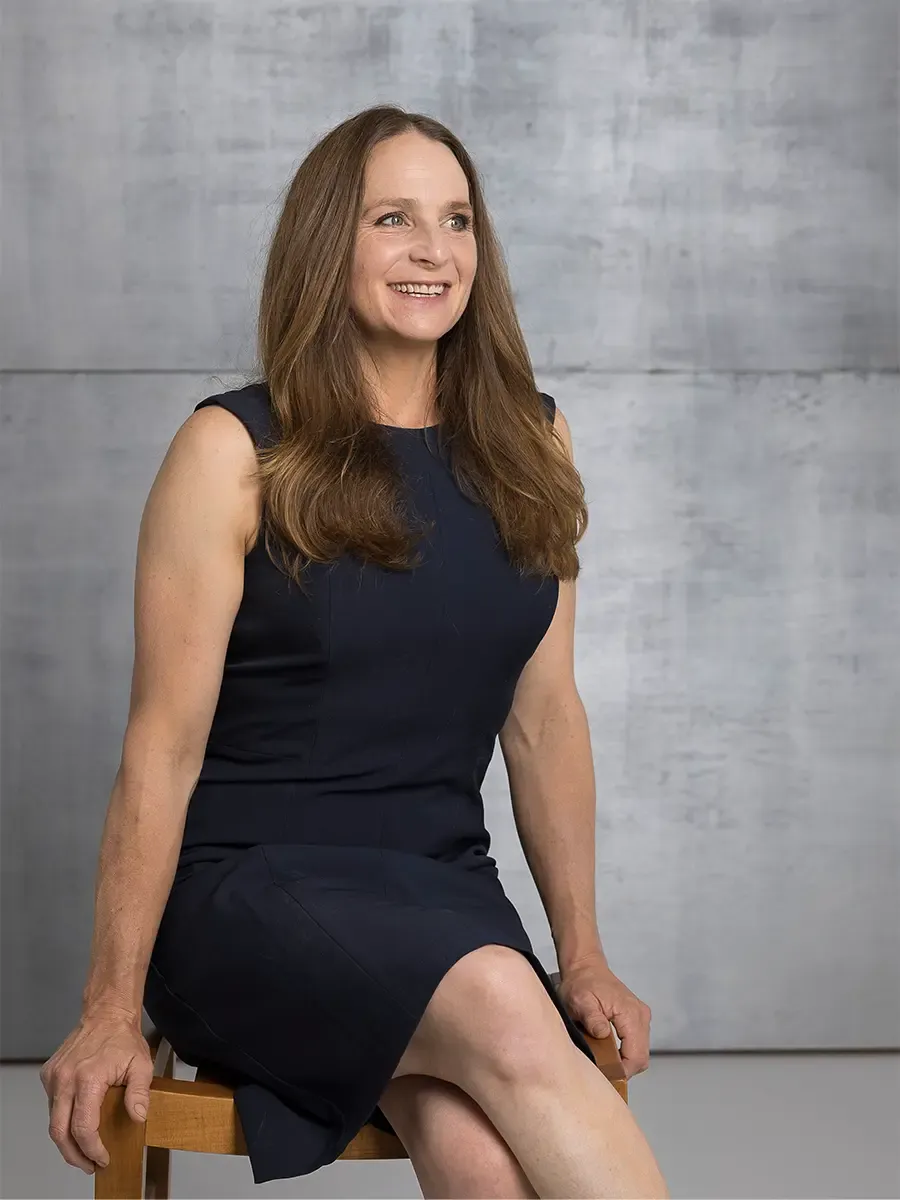
But working for yourself has pros and cons, and understanding that makes a significant difference in workers’ satisfaction, according to Dr. Brianna Caza, a management professor at the Bryan School of Business and Economics.
Caza’s research on the gig economy has been published in such top-tier journals as Harvard Business Review, Administrative Science Quarterly, and the Academy of Management Review.
On the upside, Caza has found that professional gig workers enjoy increased autonomy about when, where, and how they work, as well as what jobs to take. They can also be more efficient with fewer workplace interruptions.
But tradeoffs can include:
- A harder-to-define professional identity
- Unpredictability in career trajectory, job security, and income stream
- Difficulty staying organized or focused, especially when balancing tasks, such as marketing or billing, that would otherwise be handled by employers
- Social challenges and professional loneliness
“You may save time commuting and not have to hassle with parking and other logistics, but you may also come to miss the serendipitous interactions of working in an organization,” Caza says. “Those conversations at the
watercooler or hallway interactions can be much more impactful than we realize.” For that reason, it’s important for gig workers to seek opportunities to participate in camaraderie, socialization, and feedback.
While business schools typically train people to work in organizations, Caza knows some students may choose to work as independent contractors or freelancers from the start. “Therefore, I try to help my students think about the challenges they may face when they are operating without an organizational safety net, which include thinking strategically about how they author their careers and identities.”
Overall, satisfaction with the gig economy is highly individualized and depends on factors including a person’s stage of life, other career options, and relational networks. “I see people who are really happy doing independent work and others who are less happy,” Caza says. “It’s just good to know there are tradeoffs.”
“
You may save time commuting and not have to hassle with parking and other logistics, but you may also come to miss the serendipitous interactions of working in an organization.”
